
I was first introduced to the idea of a Death Doula when my grandmother was nearing the end of her life. We hadn’t been as close as I’d always hoped we might be, but life, as it often does, had a way of scattering intentions between responsibilities and miles. One Christmas, I made the two-hour trip to visit her in Gatineau. The moment I saw her, it was as though the air left the room. The woman who had once seemed indestructible—sharp-witted, energetic, and endlessly resourceful—was now frail, unable to eat because of a cancerous mass in her throat.
That visit was a wake-up call. I knew the family needed to understand the reality of her condition, and once everyone saw her declining health, we decided to move her closer to home—closer to two of her children, and to two of her grandchildren, including me. Eventually, she was admitted to a nearby hospice center, a small, serene building with just eight beds. I remember being surprised at how few there were, but the nurses explained that this small number allowed them to give each patient the same level of devoted, compassionate care. I quickly saw the truth in that.
In that hospice, surrounded by gentle voices and soft light, my grandmother and I became closer than we had ever been. We spoke about everything—her end-of-life wishes, her regrets, her hopes for how she’d be remembered. What had once been an unspoken, even taboo subject—death—became a space for honesty, humour, and healing. One afternoon, as we sat together, I thanked her for spending so much of her remaining time in conversation with me. It was a gift, truly, to speak so openly about something so often avoided.
That’s when she mentioned her Death Doula. She said it with such calmness, as if introducing an old friend. Her doula, she explained, was helping her navigate the “sticky situations” she didn’t feel she could bring up with me or the rest of the family. There was something deeply comforting in that—for both of us. Someone was walking alongside her, offering presence, understanding, and peace in moments when words were too heavy to carry.
I couldn’t get the idea out of my mind: a person whose role was to support someone through the final transition of life, just as birth doulas support new beginnings. The thought lingered long after her passing, reshaping how I viewed death—not as a cold, clinical event, but as a profoundly human experience deserving of dignity, comfort, and compassion. That introduction to the work of a Death Doula planted a seed in me—one that continues to grow.
After my grandmother’s passing, I couldn’t shake the idea of the Death Doula. The more I thought about it, the more it felt like a quiet calling—one that had been waiting patiently in the background, just waiting for me to notice. So, I began to research. What exactly does it mean to walk alongside someone in death? What knowledge, compassion, and resilience does it take to be that calm presence in the storm?

As I dove deeper, I realized this wasn’t just an interest; it was a vocation. My journey into the world of death work became both a personal exploration and a professional pursuit. I read everything I could find—articles, books, interviews, training programs—anything that might help me understand how to support others through the profound transition of dying.
But what I discovered along the way surprised me. For all of Canada’s compassion and emphasis on healthcare, the landscape surrounding death care felt patchy at best. Death Doulas are recognized here, but there are no standardized regulations or governing bodies to ensure consistent training, ethics, or quality of care. Essentially, anyone can call themselves a Death Doula, which means the level of support people receive can vary greatly depending on who they happen to find.
While there are some schools and certification programs, they’re mostly private, and what you earn at the end is just that—a certificate. To some, that piece of paper might not hold the same weight as a university degree, but what it represents is far more profound: empathy, presence, and the courage to face what most people spend their lives avoiding. Still, it made me think about how Canada, for all its advancements in health and wellness, is missing the mark when it comes to death.
We prepare meticulously for birth, career, and retirement, but not for dying. It’s almost as though we collectively agreed that if we don’t look at it, it might not happen. But it will. And that’s precisely why this work is so important.

My research only deepened my conviction that this is where I’m meant to be—helping people reclaim death as a natural, sacred part of life rather than something to fear or hide from. In many ways, it feels like closing the circle that began with my grandmother: turning something painful into something purposeful, and finding meaning in the most human of experiences—our shared mortality.
As I continued my research, I began to see how my past experiences had quietly prepared me for this path all along. My background in life coaching, nutrition, wellness, and grief counselling provided a strong foundation for the kind of work a Death Doula does—holding space for people at their most vulnerable, guiding them toward peace, and supporting both body and spirit in times of transition.
Life coaching taught me how to listen without judgment and to help others uncover meaning and direction, even in moments that feel uncertain. Nutrition and wellness gave me insight into the physical and emotional connections that sustain us, especially when the body begins to change or decline. Grief counselling opened my heart to the many ways people process loss—sometimes with tears, sometimes with laughter, often with both.
When I began my formal training as a Death Doula, it didn’t feel like starting something new—it felt like coming home. Each lesson resonated deeply, confirming that this was where I was meant to serve. I learned how to support individuals and families not just in practical ways—helping with advanced care planning, vigil sitting, or navigating medical decisions—but also emotionally and spiritually, by being a steady, compassionate presence when everything else feels uncertain.
What I love most about this work is that it restores a sense of humanity to dying. In a world that tends to medicalize or hide death away, a Death Doula reminds us that this final chapter deserves as much care, attention, and reverence as any other stage of life. It’s not about fixing or saving—it’s about being there. Bearing witness. Offering comfort. Helping people live fully until their very last breath.
I share all of this so that you, as the reader, can truly understand the level of discouragement I faced when I first stepped out into the world with my new calling. You might imagine that people would welcome a Death Doula with open arms—after all, who doesn’t want comfort and understanding at such a tender time? But the reality, especially in a small town like mine with a population of fewer than six thousand, was far more complex.
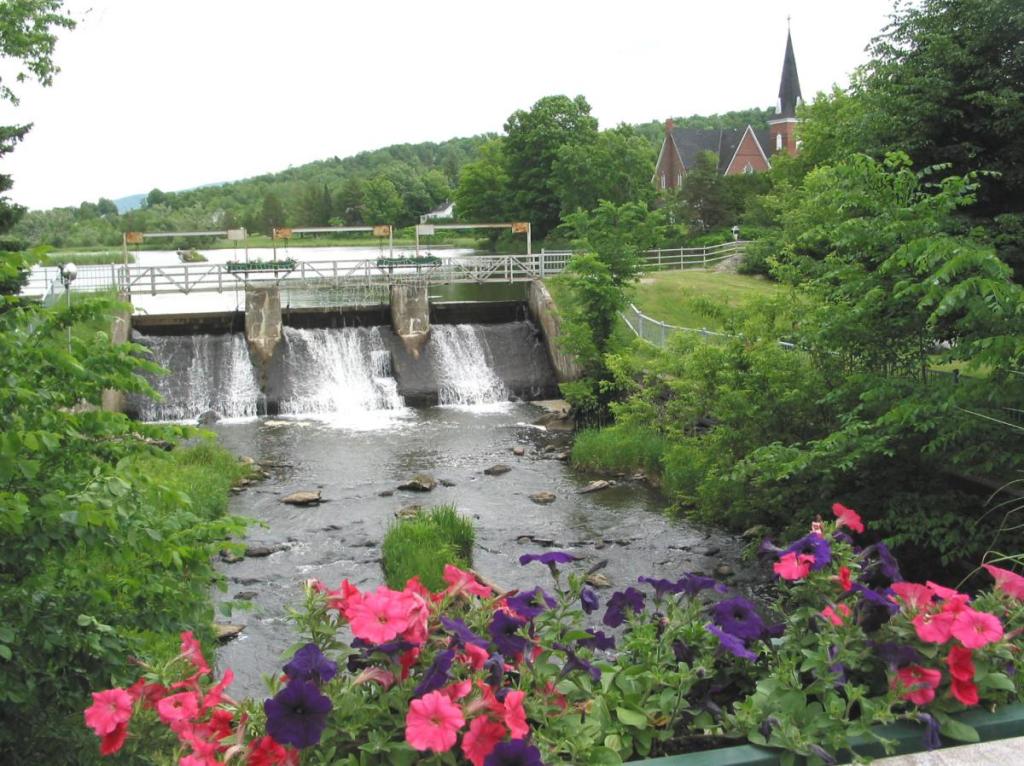
Most of the residents here are of retirement age or older, which on paper sounds like the perfect place for this kind of work. But death, as I’ve learned, still makes people uneasy. When I began sharing my plans and talking about what a Death Doula does, some were open and curious, while others resorted to humour—jokes about me bringing the Grim Reaper along, or warnings to “be careful what you sow.” I understood it wasn’t malice, just discomfort. Still, it was disheartening.
Even more difficult were the reactions from people who could genuinely benefit from my support—those in need of respite care or living with terminal illnesses. When I offered my services, some looked at me as though I had personally handed them a diagnosis. My intention was always to offer peace, not fear, but I began to realize that even the word death can be enough to make people recoil.
And then, there was the issue of perception. With my facial piercings, tattoos, and long, untamed Irish red hair, I suppose I do look a bit like a modern-day hippie. I’ve come to embrace that. But in a small, traditional town, it often means people see the “look” before they hear the message. I could be talking about compassion, dignity, and the sacredness of end-of-life care, yet I’d still sense the quiet judgment. It was frustrating to feel unseen for the very qualities that make me me.
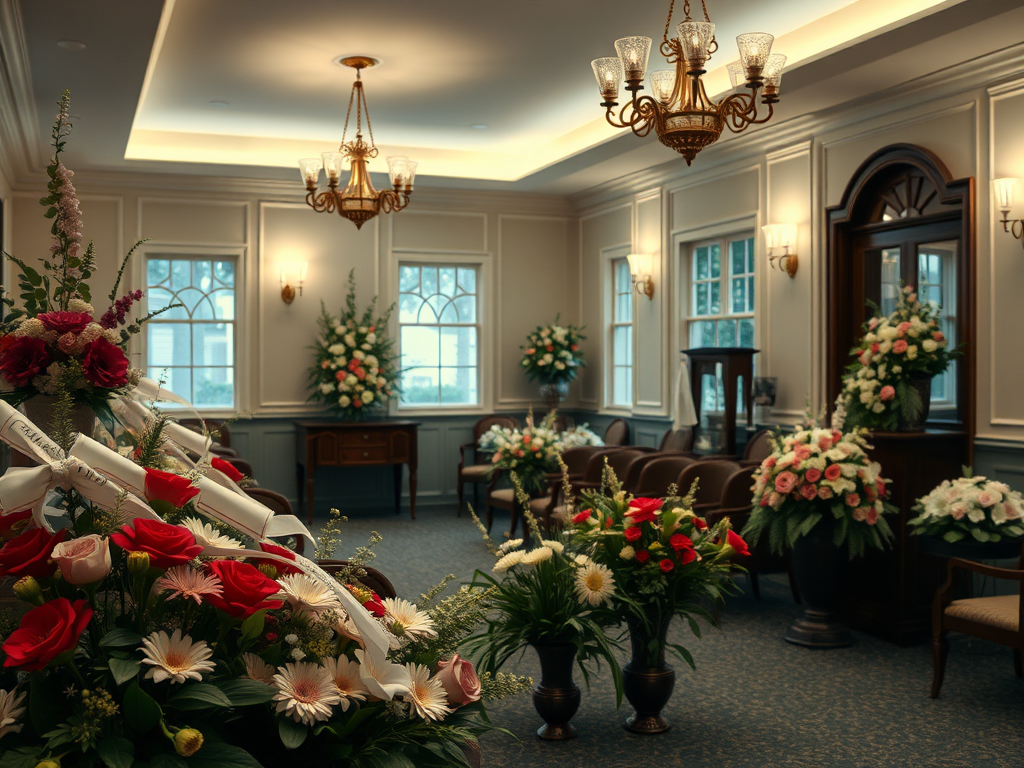
But nothing prepared me for the day I walked into our local funeral home. I went in with such hope—pamphlets in hand, heart wide open, ready to collaborate. The funeral home has several branches across the Eastern Townships, and I thought this might be the beginning of a meaningful partnership. I imagined a cooperative effort where, if someone came in to make future arrangements or had received a terminal diagnosis, the funeral home could refer them to me for emotional and spiritual support until the time came to return to their care.
Instead, I was met with resistance. The elderly woman at the front desk accepted my pamphlet with visible hesitation. As she read it over, I launched into my carefully practiced elevator pitch, only to be cut off halfway through. She informed me, rather curtly, that they “offered all of these services already” and would not be working with me. I was stunned—speechless, really. Before I could even respond, she went on to tell me I was “a hippie” and that I should “get a real job.” She accused me of trying to steal what they had spent years building.
Her words landed like a physical blow. I hadn’t come to take anything from anyone—I had come to give. To collaborate, not compete. To create a bridge of support between the living and the dying, not to threaten the legacy of an institution. I left that building with tears in my eyes and a heavy heart, realizing that even compassion can be met with suspicion when it challenges the familiar.
Still, as painful as that encounter was, it only strengthened my resolve. Change rarely begins with comfort. And perhaps it takes a little bit of rebellion—a little bit of that “hippie” spirit—to challenge the way we view death and those who dare to walk beside it.
In the time since that day, I’ve come to see those difficult moments not as failures, but as lessons in perseverance. Every skeptical glance, every uncomfortable laugh, every closed door has taught me something vital about the work I’ve chosen to do. Death is not an easy subject, and breaking through the walls of fear and misunderstanding takes more than knowledge—it takes courage, empathy, and patience.
I’ve learned that being a Death Doula is as much about education as it is about presence. It’s about gently reintroducing people to the idea that death is not the opposite of life, but a part of it. It’s about showing families that they can face this chapter with grace, dignity, and even connection, rather than avoidance or dread. And it’s about helping people understand that when we talk about dying, we are, in truth, talking about how we live—how we love, forgive, remember, and let go.
My mission now is to bring that understanding to my community, no matter how small or slow to change it might be. I want to create space for honest conversations, to offer guidance and comfort to those nearing the end of life, and to support their families in finding peace through the process. I hope to work collaboratively with local caregivers, health professionals, and—yes—even funeral homes someday, so that together we can build a more compassionate and holistic approach to dying and death in the Eastern Townships.
I know I don’t fit the traditional image of a professional in this field. My tattoos, piercings, and long, wild red hair might make me stand out—but maybe that’s exactly what’s needed. Maybe change looks like a woman who refuses to hide her authenticity while walking fearlessly beside those facing their final journey.
My grandmother’s passing lit this fire in me. Her courage, her honesty, and the comfort she found through her own Death Doula showed me what is possible when we dare to face death with open eyes and open hearts. I carry that lesson with me every day.
So yes, I may be a modern-day hippie—but I am also a guide, a listener, a witness, and an advocate for dying well. My purpose is simple yet profound: to bring compassion where there is fear, presence where there is silence, and understanding where there is uncertainty. Because in the end, death is not something to run from—it’s something to honour. And it is through that honouring that we truly learn how to live.

 Kylla Bowbrick Life Services