The Importance of Respite in Hospice Care

Caring for someone at the end of life is one of the most profound acts of love a person can offer. It’s a journey that asks for patience, compassion, and emotional strength—but it also requires balance.

The Importance of Respite Work

In the world of hospice care, we often speak of comfort, compassion, and dignity—but one essential element that sometimes goes overlooked is respite. Providing care for someone at the end of life is an act of profound love, but it can also be emotionally and physically draining. Respite offers caregivers the gift of rest—a necessary pause to breathe, reflect, and restore. It isn’t selfish; it’s essential. When we take time to care for ourselves, we are better able to show up, fully present and grounded, for those who need us most.

Respite: Connection Beyond the Family Circle

Respite isn’t only for the caregiver—it’s also profoundly meaningful for the person who is dying. Having someone new step in, even for a short while, can create a space for connection and understanding that feels different from family dynamics. Often, families are navigating layers of emotion, history, and exhaustion that make open communication difficult. A respite worker brings a calm presence—someone outside of those complexities—who can simply be there. These moments of companionship and genuine care can offer comfort, laughter, and even healing. In many ways, respite becomes a bridge: it strengthens the circle of support and reminds everyone involved that this journey, though deeply personal, is never meant to be walked alone.

For the dying, these quiet moments often open the door to conversations they may feel unable to have with their families. Topics of faith, unresolved conflicts, or personal regrets can weigh heavily, yet many hesitate to speak openly for fear of upsetting loved ones or creating tension. As a Death Doula or respite companion, we often become the safe space—a neutral heart that listens without judgment. Sometimes it’s the confession of a lifelong secret, a struggle with belief, or a wish that differs from the family’s expectations. Other times, it’s simply the need to speak freely about fears, doubts, or the unknown. These exchanges are sacred. They allow the dying person to unburden themselves, to be seen and heard wholly, apart from family expectations, traditions, or unspoken rules. In giving them this freedom, we help bring peace where silence might have lingered.

Respite: A Gift to the Family

For families, respite is not a sign of stepping back—it’s an act of love. It allows them the time and space to recharge, to process their emotions, and to return to their loved one with a clearer mind and a softer heart. When caregivers take that time away, even briefly, they are better able to be present, patient, and compassionate when they return. It also helps the person who is dying feel less like a burden; they can rest knowing their family is being cared for, too. There’s a quiet relief in seeing that those they love are supported—that their care is shared.

Respite care also brings a new voice into the room—someone the family can talk to about the realities of death and dying without fear or hesitation. Many families carry unspoken worries: Are we doing enough? Are we making the right choices? These thoughts can weigh heavily, especially in moments when emotions are already running high. A death doula or respite worker can gently guide these conversations, offering understanding and perspective without judgment.

Sometimes, in the presence of an empathetic outsider, families find the courage to talk to one another again. Walls begin to lower. Old hurts soften. The shared experience of caring for a loved one at the end of life can become an opportunity to rebuild connections once thought lost. Respite provides the breathing room needed for families to come together—not in fear or guilt—but in love, honesty, and grace.

Respite: Guidance Through the Hard Decisions

Beyond rest and relief, respite offers something equally important—guidance. Families often find themselves overwhelmed by the many decisions that must be made near the end of life. From medical choices to funeral preferences, every detail can feel heavy when grief and emotion are intertwined. Having a respite worker or death doula involved brings both clarity and calm to these moments. Because we are not as emotionally entangled as family members, we can help navigate difficult conversations with sensitivity and balance.

A Death Doula often works alongside the dying person to create a death plan—a road map that reflects their values, wishes, and spiritual or cultural beliefs. This plan becomes a source of peace for everyone involved. The family can lean on the Doula to ensure that their loved one’s desires are honored, freeing them from the pressure of guessing what is “right.” In this way, respite becomes more than a pause—it becomes a partnership. It allows the dying person to have their voice heard, the family to find reassurance, and the process itself to unfold with grace and intention.


The presence of a death doula doesn’t end when the dying takes their final breath. In many ways, that’s when their role deepens. Families often describe the days and weeks following a death as a blur—filled with decisions, visitors, and an emotional weight that can feel unbearable. Having a death doula by their side during this time offers both structure and solace. We can help with the practical details—guiding families through funeral preparations, final paperwork, and even helping to restore calm within the home. But beyond logistics, it’s about creating a sense of continuity and care.

When a Doula has been involved throughout the dying process, they’ve already built a bond of trust with both the family and the deceased. This connection allows them to act as a gentle bridge—ensuring that the person’s final wishes are honored exactly as planned, and that the family feels supported every step of the way. Whether it’s helping organize a meaningful service, tending to the home space, or simply sitting in quiet presence, the Doula’s role becomes an anchor in the storm of grief. Their calm steadiness reminds families that they are not alone in the aftermath—that even as one journey ends, care and compassion continue to guide the way forward.

Respite: A Circle of Care That Never Ends

Respite care, at its core, is about connection. It weaves together the dying, their family, and those who stand beside them in service and compassion. Through every conversation, quiet moment, and act of guidance, a Death Doula helps remind everyone involved that this journey—though marked by loss—is also filled with love, reflection, and meaning. It is not just about easing the transition for the one who is leaving, but also about nurturing those who remain. By offering space to rest, to speak, to plan, and to simply be, respite care transforms what can feel unbearable into something deeply human and shared.

Death may close a chapter, but the bonds created through this work linger. They become lessons in empathy, understanding, and the true power of presence. In the end, respite reminds us that caring for the dying is never just about death—it’s about honoring life, in all its beauty, fragility, and grace.

Good Grief

Is there such thing as good grief?

Come with me as share my journey through the recent losses I’ve experienced, my thoughts on death and grief, a hopefully a little insight into where I can hopefully take my business in the future.

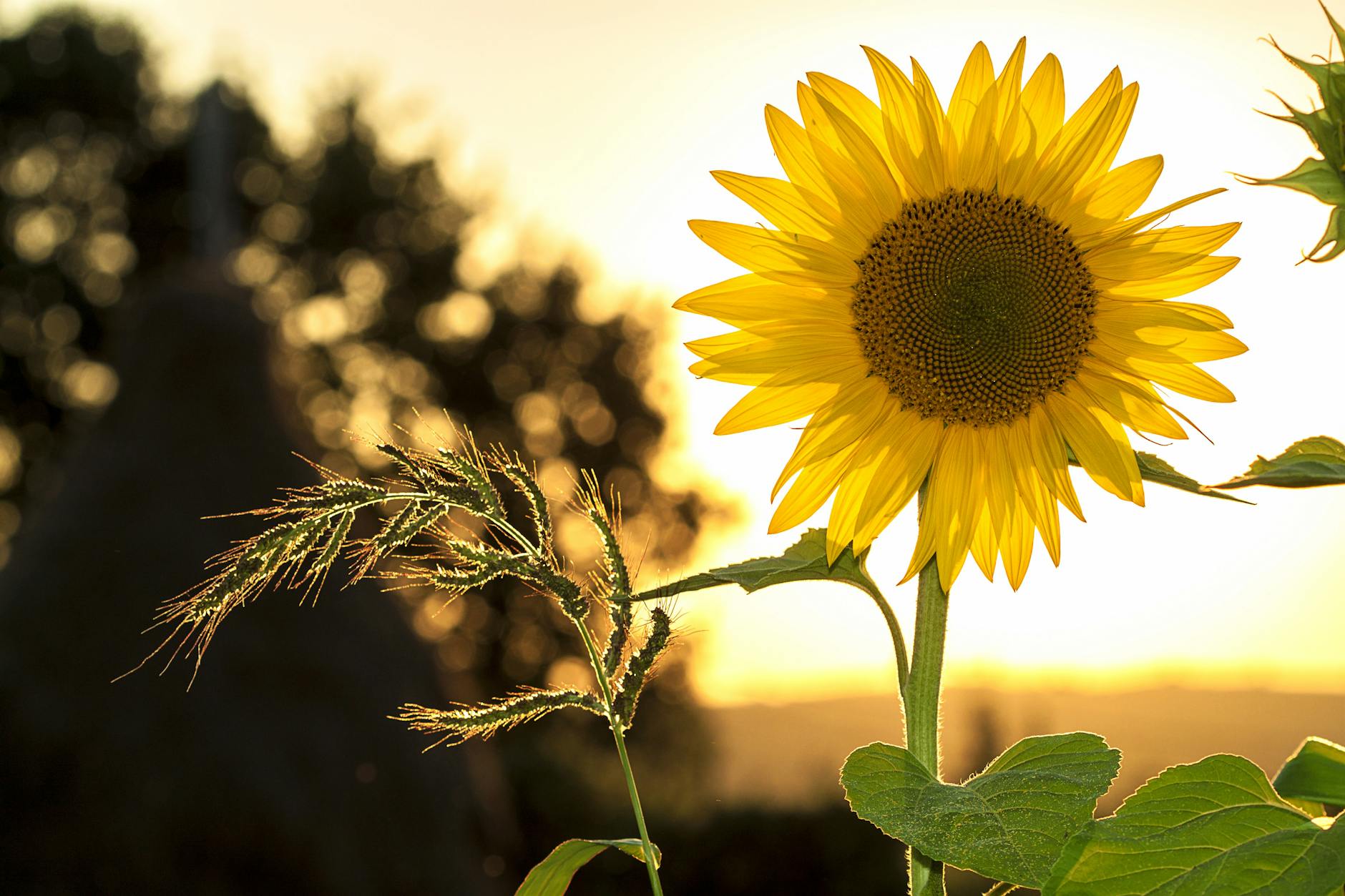
Photo by Pixabay on Pexels.com

One thing I have heard a lot lately is that everyone grieves differently. Some people shut down, some cry inconsolably, some turn to humor, some turn to memories to fill the gap left, while others turn to unhealthy coping methods. It’s essential to recognize and respect the unique ways in which individuals process grief. Each person’s emotional response is shaped by their personality, past experiences, and support system. For some, retreating into solitude provides a necessary space for reflection, while others find solace in sharing memories and stories with loved ones. Try and remember to be mindful of how others grieve. Nothing helps grief more than love, acceptance and time.

Nanny

I have been so blessed in my life to have been to very few funerals, and even fewer funerals of close family members. This has since unfortunately changed. In October of 2023 I lost my favorite person on the planet, my grandma who we lovingly dubbed Nanny. She was funny, loving and had a great sense of humor. She always made sure she listened to everything you said, she made sure you felt loved.

One of my favorite memories of her is when I was a little kid she would secretly give me a loonie ( a Canadian dollar coin) and say not to tell my sister. I felt so special, I would wait all day until we piled into the car and I would whip out my loonie to instigate a fight with my younger sister. Except, she too would be whipping out her loonie. She would always say that I was her favorite Kylla, which is funny because I also heard her say this to all the grandchildren using their names as to make sure we all knew we were her favorites.

Last year, we received the devastating news that she had cancer. The diagnosis indicated that it was already in a later stage, but the doctors offered hope, assuring us that treatment could potentially extend her life. Despite this glimmer of hope, I found it challenging to keep in touch as much as I knew I should. The thought of hearing her voice, filled with defeat and sadness, became unbearable. I couldn’t bear the idea of her sensing our own sorrow, and I regret not reaching out more frequently.

She had always been so concerned about my sister and me, and knowing that weighed heavily on her mind was both heartwarming and frightening. The last thing I wanted was to disappoint her. But in the face of such heartache and impending loss, I found myself at a loss for words. What do you say to someone who holds such a special place in your heart, knowing that their time is limited? How do you express the depth of your love and gratitude, while also conveying the pain of the imminent separation?

As I grappled with these questions, I realized that the most important thing is to speak from the heart. It’s not about finding the perfect words or having all the answers. It’s about sharing your love, expressing your gratitude for the impact they’ve had on your life, and assuring them that they will always hold a cherished place in your heart. It’s a time for reassurance, for sharing treasured memories, and for creating more moments of connection, however brief they may be.

She took a turn for the worse late last 2023 and died on a Monday in October. I giggle cause we would talk about how much we hated Mondays, they were the worst day seconded by Sunday. It was my first death experience, I had never been with anyone who has passed. I was so blessed that it was hers, she was there my first day and I was there for her last.

Grandma Sue

All while this is happening with my Nanny, my other grandmother, Grandma Zoo (Sue) was diagnosed with a rare throat cancer. Grandma Zoo was spunky, listened to amazing music and loved to sew. Grandma Sue and I weren’t the closest, it was only when I had my children that she came to visit me and would check in more regularly. I visited with her between Christmas and New Year of 2022 and realized she really wasn’t doing well. With her living three and a half hours away our family felt helpless until we were able to help her move closer. It was then that I was able to spend priceless quality time with her. I watched her fix sewing machines like it was nothing, we sat and talked or just enjoyed companionable silence. It was harder for her to talk, slower to get her sentences out as the throat cancer had advanced so quickly, for she decided against any sort of treatment.

I was able to take the time to ask her all the questions I could think of. I was able to ask her the questions that make people cringe, like how do you want to die? Are you afraid of dying? Do you feel like you are leaving with regrets? She answered all my questions and reflected some back to me, if she didn’t have an answer for me that time she would later message me with her final thoughts on the subject. We managed to talk through her fears of dying as her thoughts on the afterlife and if there was one.

When she passed away in January the only thing we couldn’t manage to check off her list was the date in which she died as she passed one day earlier than she wanted. I know without a doubt that while she wanted to go on a specific date, she is not upset that she went one day earlier, as she was surrounded by the ones she loved with no regrets. One day before she was able to send messages to people conveying her love and gratitude for them being in her life and to say goodbye. She was gifted something so rare, something thought about and wished upon by so many. Isn’t that beautiful?

Photo by Min An on Pexels.com

Grief

Through my recent experience with death, I’ve discovered that humor is my method of grieving. I use jokes to bring a smile to people’s faces. While grieving, it’s important to find the silver lining, the small moments in your day that bring you joy. I never expected my coping mechanism to be humor. I was certain that I would spiral into anorexia or depression. It turns out, I’m much stronger than I thought. Yes, I shed many tears. I should have invested in a tissue company with the number of times I’ve wiped away tears or blown my nose.

I leaned into the sadness, I leaned into the happiness. I made sure to sit down and really be in the present moment and really feel my feelings. All the while knowing the feeling will pass, as my Nanny always said, “This too shall pass”. In leaning into all the feelings I was feeling in the moment I was able to really go through them and move onto the next phase of my grieving process. I can now smile when I think of them instead of tearing up, I am getting there.

I once saw this video on grief, it was able to explain grief better than anything I’ve ever read or seen. Every time I thought I was about to go off that deep end, because even though you lean into the feelings and know they too shall pass there are darker moments. When I felt like I was sliding into those moments I thought about this video. It made me realize there isn’t necessarily and end to grief, but an end to sad all consuming grief. What is left at the end is good grief, it does exist, it is out there, just give yourself love, surround yourself with a great support system, and time.

Next Steps

Photo by Pixabay on Pexels.com

Going through all this, I’ve realized that while being a Life Coach is a dream of mine, I now know what my purpose is; being an End Of Life Doula calls to my soul. Helping people and their families through these hard times is my calling. Making sure that people who are at the end stages of their lives are listened to and ensuring they have someone they can talk to without prejudice is essential. Sometimes having a nonbiased partisan in the room when such difficult topics are discussed among family members helps everyone involved. Not everyone grieves the same way, not everyone can mentally prepare the same way.

I also realized that there is a lack in my region of people who are there before, during, and after for the families of the deceased. Once I am able to complete my education in making this dream real, I have so many ideas on how to help my community through such hard times.

There is no right way to grieve (with healthy coping mechanisms). Everyone’s journey through grief looks different and doesn’t have the same time line. Give yourself the time you need, the space you need, seek help if you are unable to cope in a way that doesn’t hurt you physically or mentally. Thank you so much for reading through my post. I really appreciate you taking the time out of your day to sit with me and read some of my experiences. Remember to eat something today. Don’t forget to treat yourself like you would your best friend. You are you best friend as you live with you the longest. You deserve it.

Photo by u0410u043bu0435u043au0441u0430u043du0434u0440 u041fu0440u043eu043au043eu0444u044cu0435u0432 on Pexels.com